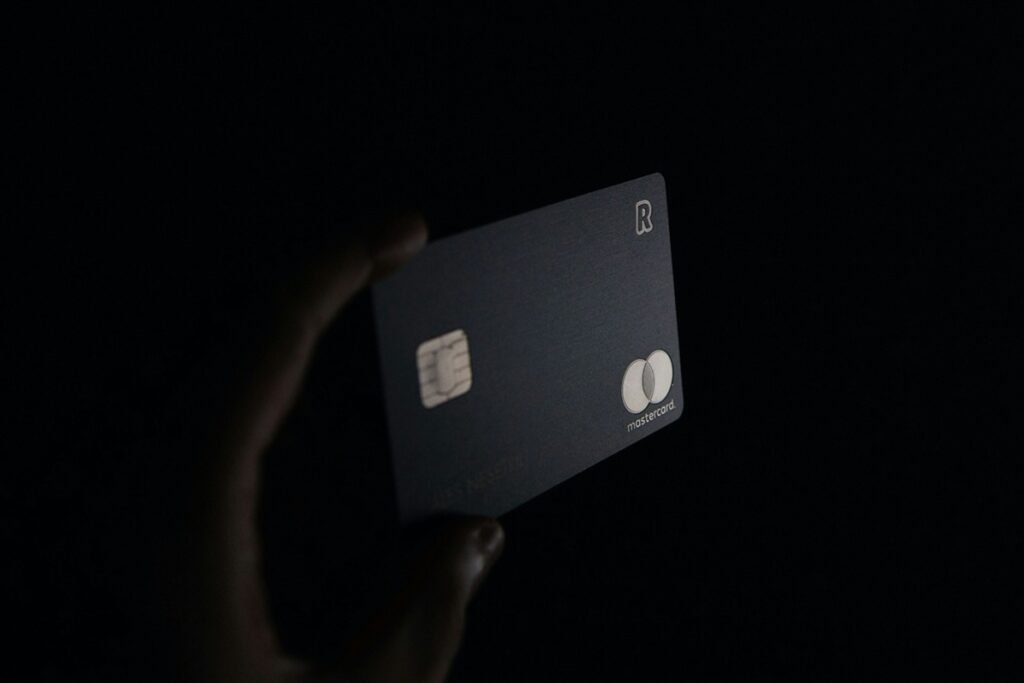
Managing money wisely often means balancing safety with access to credit. For individuals in India who prefer controlled spending and long-term financial stability, an FD-backed credit card can be a practical tool. Many practical planners explore this option when they want to build credit discipline without taking on unsecured debt. Understanding how the FD credit card application works can help in making thoughtful financial decisions.
Understanding What an FD Credit Card Is
An FD credit card is issued against a fixed deposit that acts as collateral. Instead of relying on income proof or credit history alone, the deposit secures the credit limit. This makes the card accessible to students, new earners, homemakers, freelancers, and expats managing finances in India.
The credit limit is usually a percentage of the fixed deposit amount, which encourages responsible spending. Because the deposit remains intact and continues earning interest, this structure blends savings with credit access.
Why Practical Money Planners Consider This Option
Financial planners who value security often look for tools that reduce risk while building long-term stability. An FD credit card aligns with this mindset because it discourages overspending and promotes disciplined repayment habits.
Using an FD credit card Application as part of a financial strategy can help create a credit footprint without exposing oneself to high-risk borrowing. This is particularly useful for individuals returning to India, starting their financial journey, or rebuilding credit.
Key Benefits That Support Financial Discipline
- Controlled credit exposure
The credit limit is tied to the deposit, which naturally prevents excessive spending. This structure supports mindful usage and reduces the chances of accumulating unmanageable debt. - Helps build or rebuild credit history
Regular repayments are reported to credit bureaus, contributing to a positive credit profile over time. This can improve access to future financial products such as home loans or education loans. - Savings remain intact and earn interest
The fixed deposit continues to grow while serving as collateral. This dual benefit allows individuals to maintain savings while enjoying credit flexibility. - Accessible without extensive documentation
The process is typically simpler than that of unsecured credit cards because the deposit reduces lender risk. This makes the FD credit card appealing to those without formal income proof or a strong credit record.
Situations Where It Makes Practical Sense
An FD credit card is not just for beginners; it can serve various financial situations. Individuals seeking structured spending or those transitioning between countries often find this option helpful.
For expats maintaining financial ties in India, this card offers a way to manage local expenses without disturbing long-term investments. Similarly, young professionals can use it to establish credit discipline early in their careers.
Points to Consider Before Applying
Before choosing this option, it is important to evaluate personal financial goals and liquidity needs. While the fixed deposit remains yours, it is locked for the tenure, which may limit immediate access to funds.
- Liquidity constraints
The deposit cannot be freely withdrawn without affecting the card. This requires planning to ensure emergency funds are available elsewhere. - Lower credit limits compared to unsecured cards
The spending limit depends on the deposit amount. While this supports discipline, it may not suit individuals needing higher purchasing power. - Impact of missed payments
Delayed payments can affect credit scores even though the card is secured. Responsible usage remains essential for long-term financial health.
How the Application Process Works
The process for the FD credit card application is straightforward and designed for ease of access. It typically begins with opening a fixed deposit of the required amount, followed by requesting a credit card against it.
Once the deposit is linked, the card is issued with a credit limit based on the deposit value. Regular usage and timely repayments help build a reliable credit profile, reinforcing financial stability over time.
Smart Usage Practices for Long-Term Stability
Using an FD credit card wisely can strengthen financial habits. Practical planners treat it as a budgeting tool rather than an extension of income.
- Use the card for planned expenses only
Restrict usage to predictable costs such as utilities or subscriptions. This helps maintain control over spending and simplifies repayment planning. - Pay the full balance each month
Clearing dues in full avoids interest charges and reinforces strong credit behaviour. Consistency in repayments builds trust with lenders and supports future financial opportunities. - Monitor statements regularly
Reviewing transactions ensures accuracy and prevents unnoticed overspending. Awareness of spending patterns helps refine budgeting strategies.
How It Fits into a Broader Financial Plan
An FD-backed credit card can complement a larger financial strategy focused on savings, stability, and gradual growth. It supports the habit of setting aside funds while enabling controlled credit usage.
For households prioritising long-term goals such as home ownership, education funds, or retirement planning, this approach reinforces disciplined financial behaviour. The combination of secured credit and preserved savings aligns with a cautious yet progressive planning style.
Thoughtful Takeaway
Financial stability is built through consistent, mindful decisions rather than quick fixes. Choosing tools that encourage discipline, such as those explored through the FD credit card application, can support a balanced approach to saving and spending. By aligning credit usage with long-term goals, practical money planners can strengthen their financial foundation and remain prepared for future opportunities.